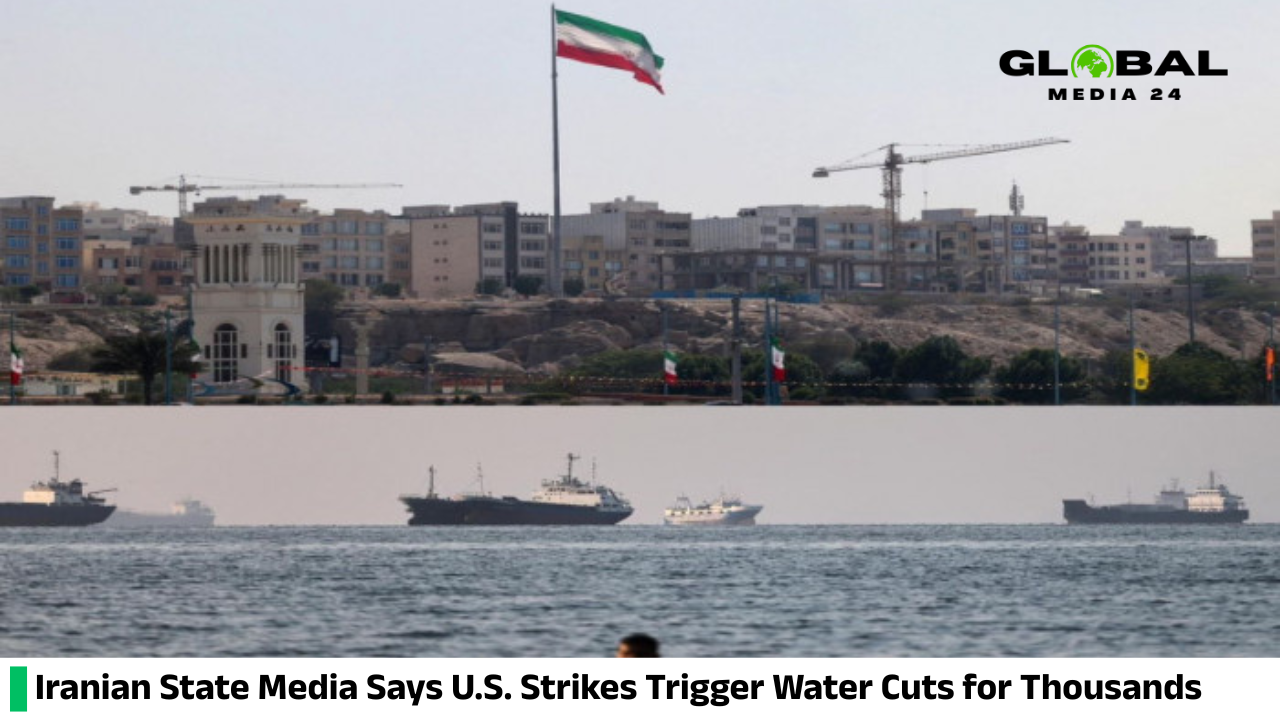
Tehran had consented to permit ships to pass through the vital 167-kilometer (104-mile) strait linking the Gulf to the Indian Ocean as part of a two-week ceasefire. However, since the ceasefire began, only 10 vessels have managed to transit through it.
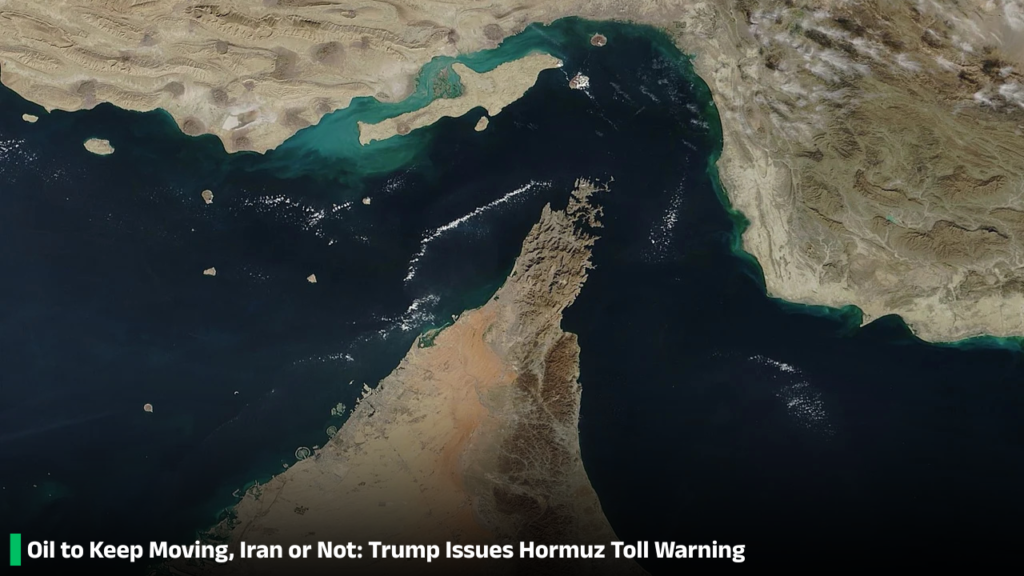
US President Donald Trump has warned Iran against imposing tolls on ships passing through the economically vital Strait of Hormuz. He has accused Tehran of violating the terms of a two-week ceasefire agreement established between the two nations.
A series of posts on social media further heightened tensions. Trump also accused Iran of doing a “destitute job” of managing the waterway through which 20 percent of the world’s oil supply flows. He stated that shipping operations would soon return to normal, whether the Islamic Republic “likes it or not.”
Writing on his Truth Social platform, Trump said, “Iran is doing a destitute job—some would call it disgraceful—in allowing oil to pass through the Strait of Hormuz.”
“That is not our agreement!”
Under the two-week ceasefire, Tehran had agreed to allow ships to pass through the critical 167-kilometer-long strait situated between the Gulf and the Indian Ocean. However, according to maritime tracking data, only 10 ships have passed through since the Middle East ceasefire went into effect.
On Hormuz Tolls
Tensions escalated further when Iran suggested it might impose tolls on ships passing through this route—a suggestion echoed by Trump, who also raised the possibility of imposing tolls in conjunction with Tehran.
In an earlier Truth Social post, Trump stated: “There are reports that Iran is charging fees to tankers passing through the Strait of Hormuz—they had better not be doing that, and if they are, they must stop immediately!”
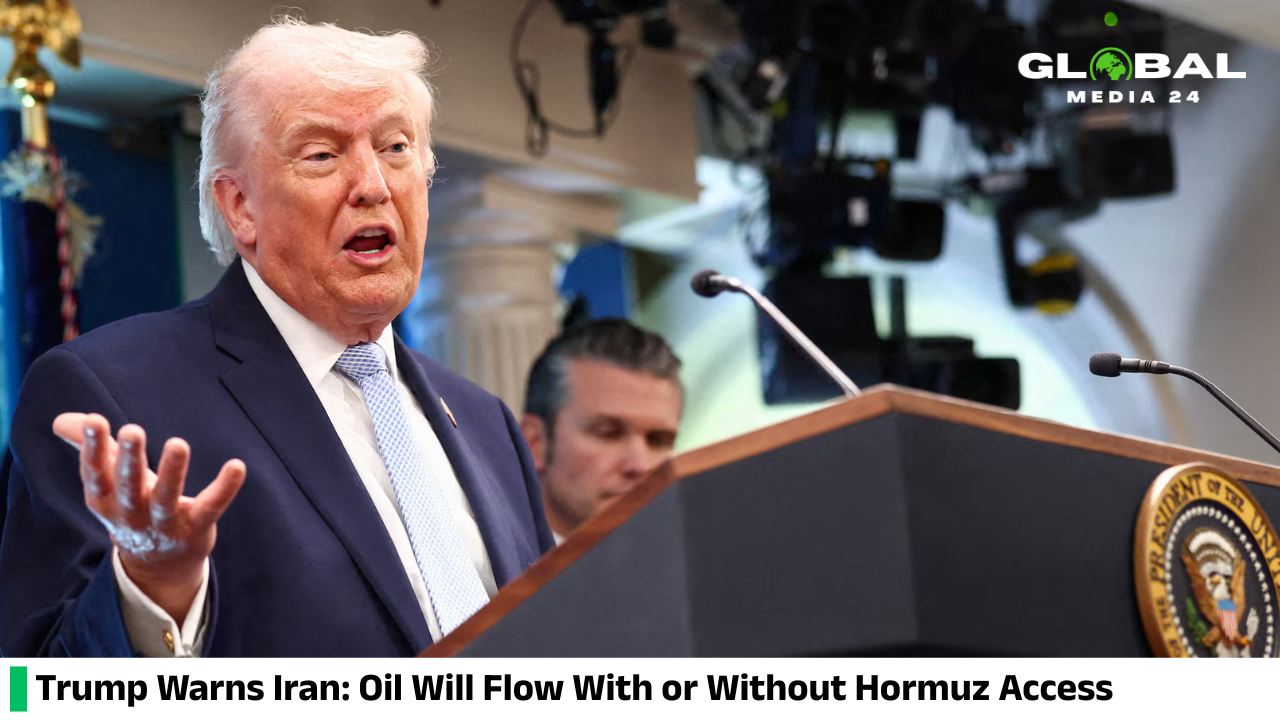
In another post—in which he expressed anger over a critical media editorial regarding the ceasefire—Trump asserted, “Very soon, you will see that, with or without Iran’s assistance, the oil will begin to flow.”
A Shift in Trump’s Tone
The American leader’s tone appeared markedly different from earlier remarks made to NBC News, in which he had stated that he was “very hopeful” regarding a peace agreement with Iran following a cease-fire and that Israel was “dialing down” its attacks in Lebanon.
This statement came amidst reports that Israeli Prime Minister Benjamin Netanyahu had agreed, during a call with Trump, to adopt a “low-key” approach following the intense attacks launched against Lebanon.
Trump also told the US broadcaster that Iran’s leaders are “more reasonable” in private, though he added, “If they don’t make a deal, it’s going to be very painful.”
US-Iran Talks
Vice President JD Vance is scheduled to hold talks with Iran in Pakistan on Saturday. Special Envoy Steve Witkoff and Trump’s son-in-law, Jared Kushner, are also traveling to Islamabad.
“The President is hopeful that a deal can be reached that brings lasting peace to the Middle East,” White House Principal Deputy Press Secretary Anna Kelly told AFP in a statement on Thursday.
Meanwhile, a State Department official stated on Thursday that Israel and Lebanon are set to hold talks in Washington next week.
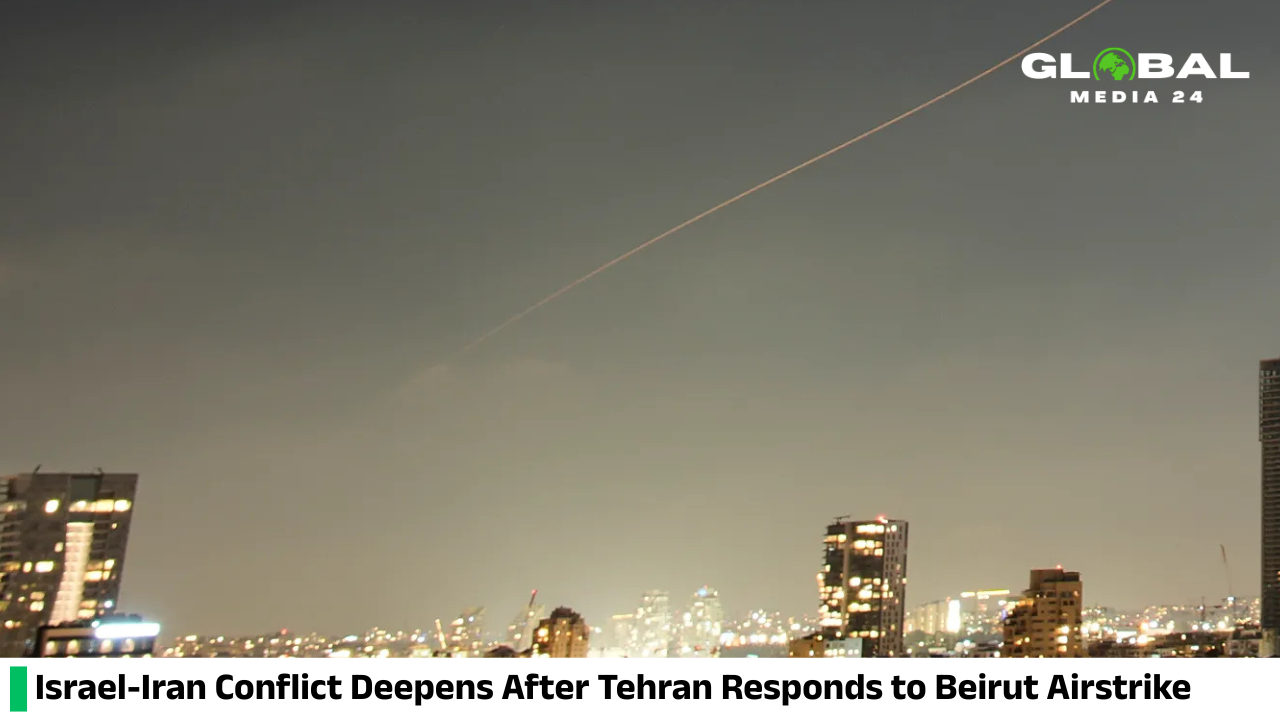
Hundreds of people were killed in Israel’s heaviest attacks on Lebanon on Wednesday—the most intense since Hezbollah joined the wider Middle East conflict in early March—dealing a blow to the fragile ceasefire between Washington and Tehran less than 48 hours after it had taken effect.