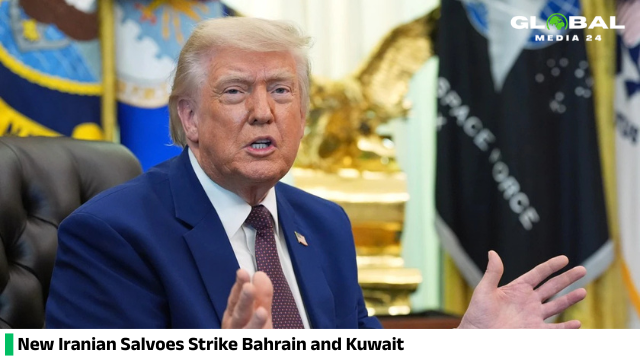
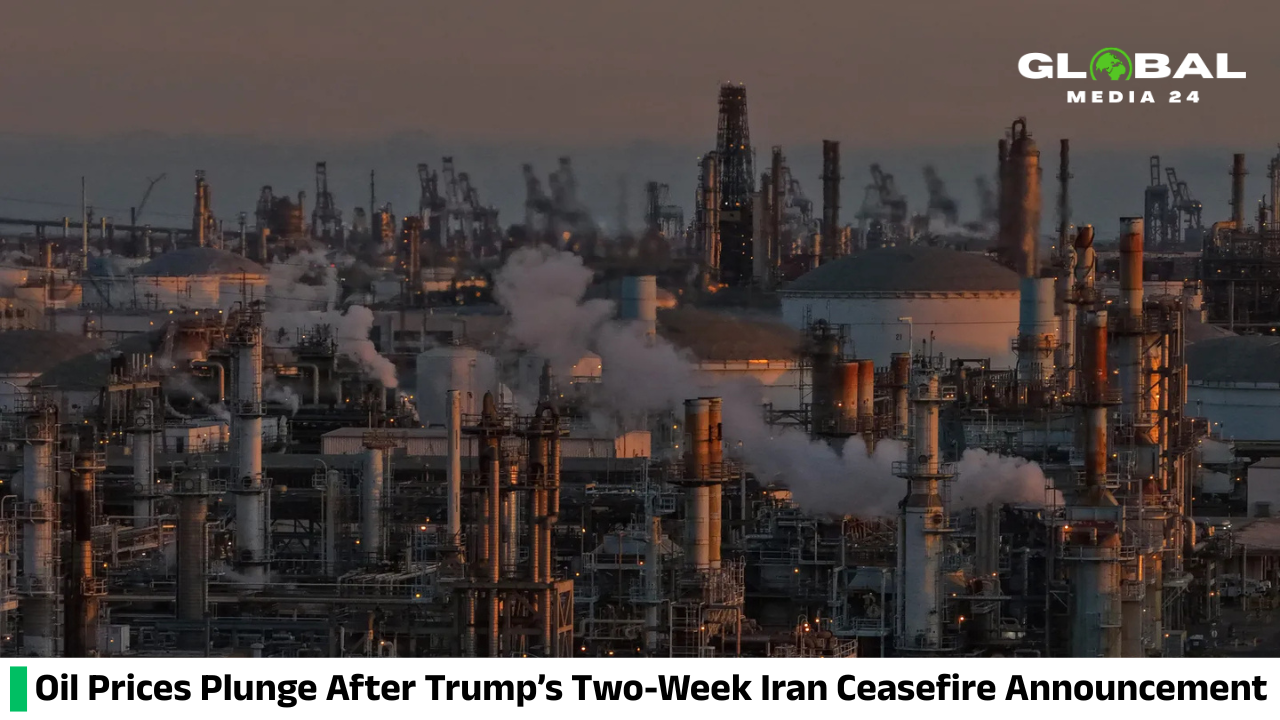
Donald Trump’s announcement of the ceasefire prompted an almost instant response from financial markets, resulting in a drop in oil prices, a rise in bond values, and a surge in U.S. equities.

On Wednesday, following US President Donald Trump’s announcement to halt attacks on Iran for two weeks, Brent crude plummeted to $95.068 per barrel (down from $109.77).
In the wake of this announcement, the price of US West Texas Intermediate (WTI) crude oil also declined by approximately $20 per barrel.
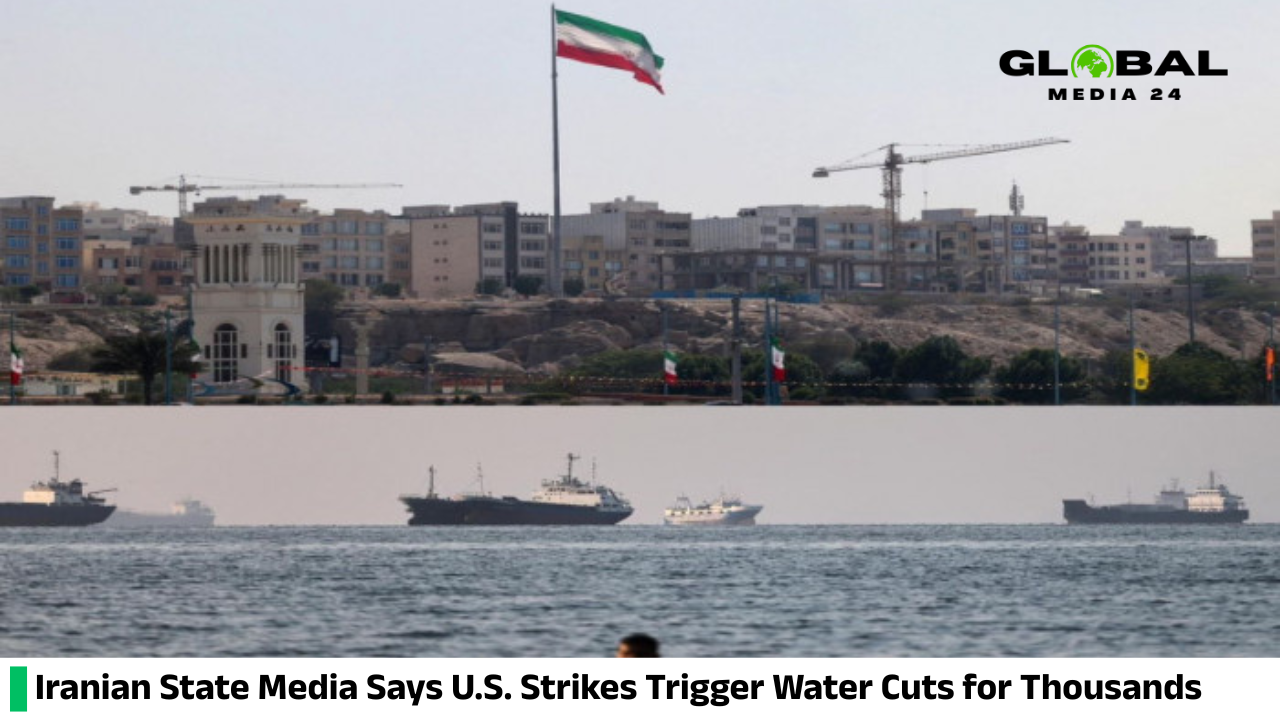
This pause is linked to the immediate reopening of the Strait of Hormuz—a narrow waterway through which roughly one-fifth of the world’s oil and gas passes every day.
The market reacted within minutes: oil prices fell, bond yields rose, and US stocks surged.
Investors are interpreting this ceasefire as a signal that, following weeks of disruption, oil supplies may soon return to normal levels.
Why Oil Prices Rose
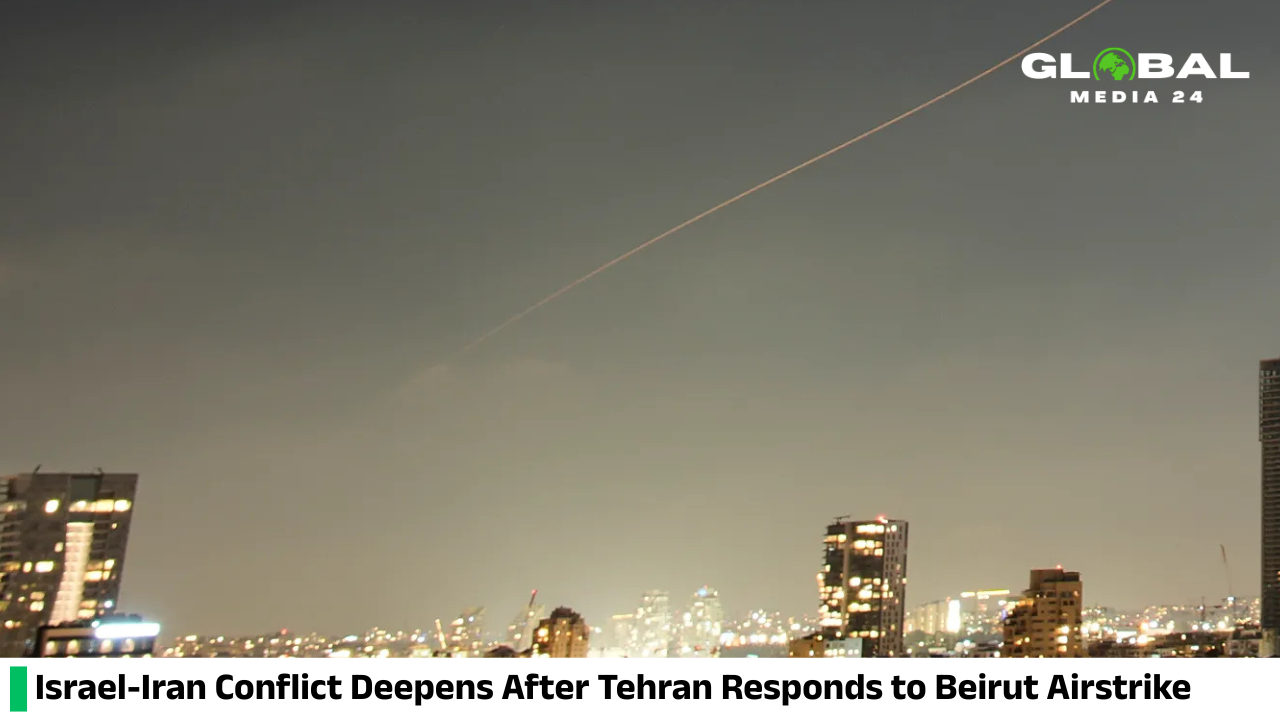
US-Israeli attacks on Iran (commencing February 28) compelled Tehran to completely shut down the Strait. Tankers avoided the route, and insurance costs soared. Driven by fears regarding supply shortages, oil prices surged by over 50 percent in March—marking the largest monthly increase on record.
Soaring oil prices had begun to heighten fears of inflation across all nations. Governments and corporations were grappling with how to cope with the energy shock.
On Wednesday, Trump stated that a long-term peace agreement with Iran is “making progress” and that the Islamic nation’s 10-point proposal appears to be workable.
In turn, Iran indicated that if attacks cease, safe transit through the Strait could be guaranteed for a period of two weeks. These statements were sufficient to prompt traders to unwind their panic positions.
Why is the Strait of Hormuz so crucial?
The Strait of Hormuz is not merely another shipping lane; it serves as the primary conduit for exporting oil from Saudi Arabia, the UAE, Kuwait, Iraq, and Iran. Any disruption here has an immediate and rapid impact on global prices.
Even the mere threat of a closure is enough to rattle the market. With the Strait effectively reopening, traders now anticipate a resumption of tanker traffic. This immediately mitigates the risk to supply.
Uncertainty Persists
It is important to note that the ceasefire is valid for only two weeks and remains contingent upon coordination with the Iranian military. Negotiations for a long-term deal are still ongoing.
Analysts suggest that if these talks collapse, the current relief could prove to be merely temporary. However, for the time being, the market is operating on the assumption that the worst of the oil shock has passed.