Since the war began, multiple reports have indicated that the Israeli prime minister played a role in persuading Trump to launch an attack on Iran.
The United States and Israel appear to be at odds regarding their plans for the future of the conflict in Iran.
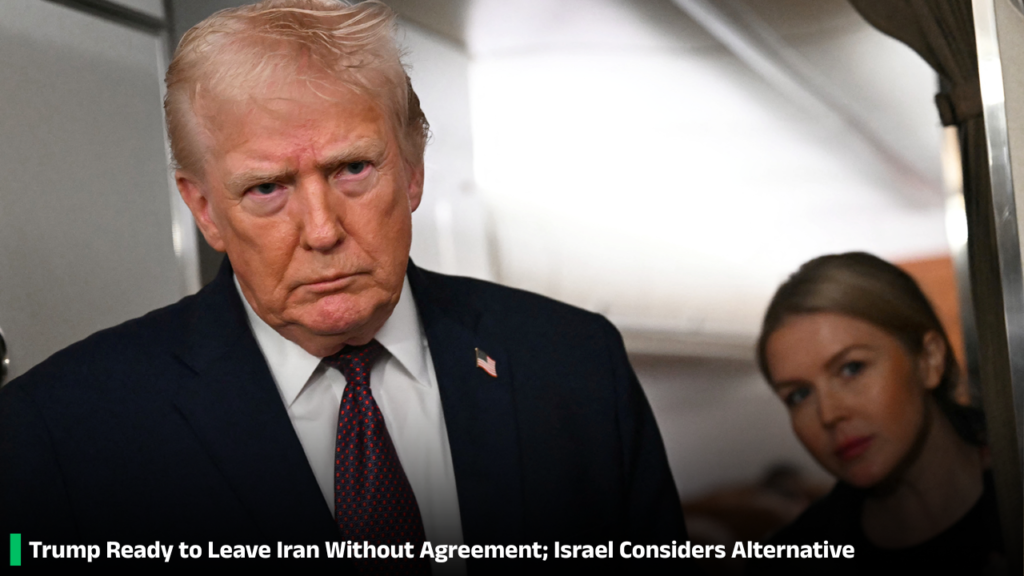
While US President Donald Trump has stated that Washington could conclude its military operations against Iran within two to three weeks—even without a deal with Tehran—Israeli Prime Minister Benjamin Netanyahu has declared that his country will press ahead with its military campaign, vowing to continue “crushing Iran’s terror regime.”
These remarks from both US and Israeli leaders follow a statement by Iranian President Masoud Pezeshkian, in which he asserted that his country possesses the “necessary will” to end the war, provided that its adversaries guarantee the conflict will not flare up again.
What Did Trump Say?
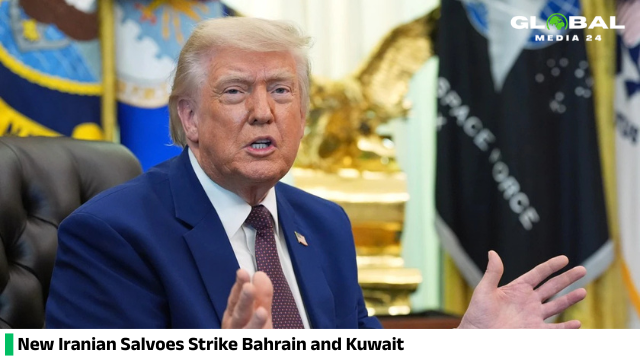
Trump stated that the United States could wrap up its military operations against Iran within two to three weeks and that Tehran need not enter into any agreement to bring the fighting to an end.
Speaking at the White House on Tuesday, he remarked, “We will be getting out very soon,” adding that this could happen “within two weeks—maybe two weeks, or perhaps three weeks.”
When asked whether successful diplomacy with Iran was a prerequisite for the US to complete “Operation Epic Fury,” Trump replied that it was not. “Iran doesn’t need to make a deal—no,” he said. “No, they don’t need to make a deal with me.”
Trump has previously appeared conflicted over whether Washington plans to escalate the conflict—which has rattled the global economy—perhaps by deploying U.S. ground troops or whether it will instead seek to resolve it through negotiations with Tehran.
He had previously threatened to intensify military operations if Tehran failed to accept the U.S. 15-point ceasefire framework. Key demands within this framework include that Iran refrain from developing nuclear weapons, halt all uranium enrichment, and fully reopen the Strait of Hormuz.
However, on Tuesday, he stated that the responsibility for keeping this vital waterway open should not rest with the U.S., but rather with the nations that depend upon it. “We have no reason to do so,” he remarked.
This U-turn by the U.S. leader comes after days of frustration with allies who appeared unwilling to contribute further to the U.S. military effort.
Earlier in the day, Trump told the United Kingdom and other European allies, “Go and get your own oil.”
Israel’s War Plans
However, contrary to Trump’s plans, Israeli Prime Minister Benjamin Netanyahu stated that Israel would press ahead with its military campaign against Tehran and continue to “crush Iran’s terrorist regime.”
In a televised statement delivered the day before the Jewish Passover holidays, he declared, “The campaign is not over yet.” “We will continue to crush the terrorist regime.”
He further added, “We had to take action, and we did… We have remained steadfast in our mission, and we have changed the face of the Middle East,” emphasizing that despite the ongoing war, Israel has emerged as a “regional power.”
The War
Netanyahu and Trump launched a war in the Middle East on February 28, an operation that resulted in the death of Iran’s Supreme Leader, Ayatollah Ali Khamenei, and triggered a wave of retaliatory attacks across the entire region.
Yet, since the very inception of the conflict, numerous reports have suggested that it was the Israeli prime minister himself who persuaded Trump to launch the attack on Iran. Just last week, U.S. Vice President J.D. Vance reportedly rebuked Netanyahu during a tense phone call.
Axios reported that “prior to the war, Bibi had essentially told the President that it would be easy—that the likelihood of regime change was far greater than reality suggested. And the VP was quite blunt regarding those specific assertions,” referring to Netanyahu by his nickname.