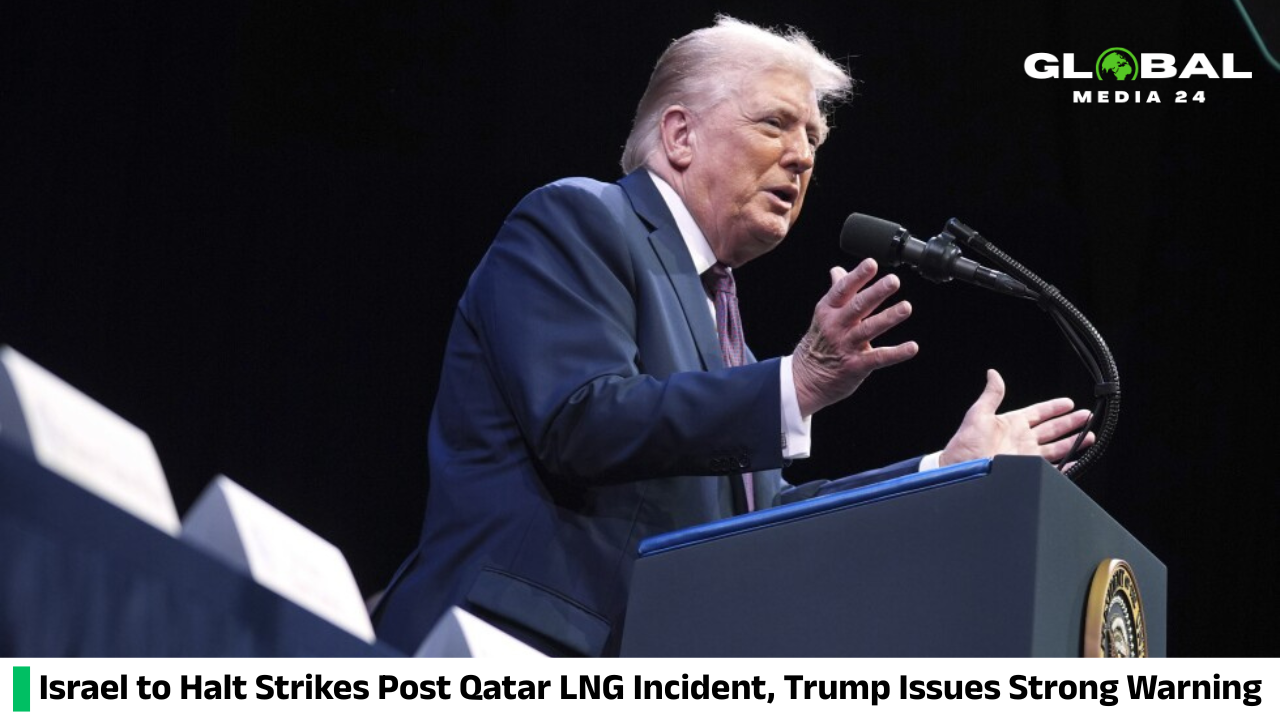
Trump stated that Israel will not carry out any further attacks on the highly significant and valuable South Pars field unless Iran makes the unwise decision to target an innocent nation—specifically Qatar in this situation.
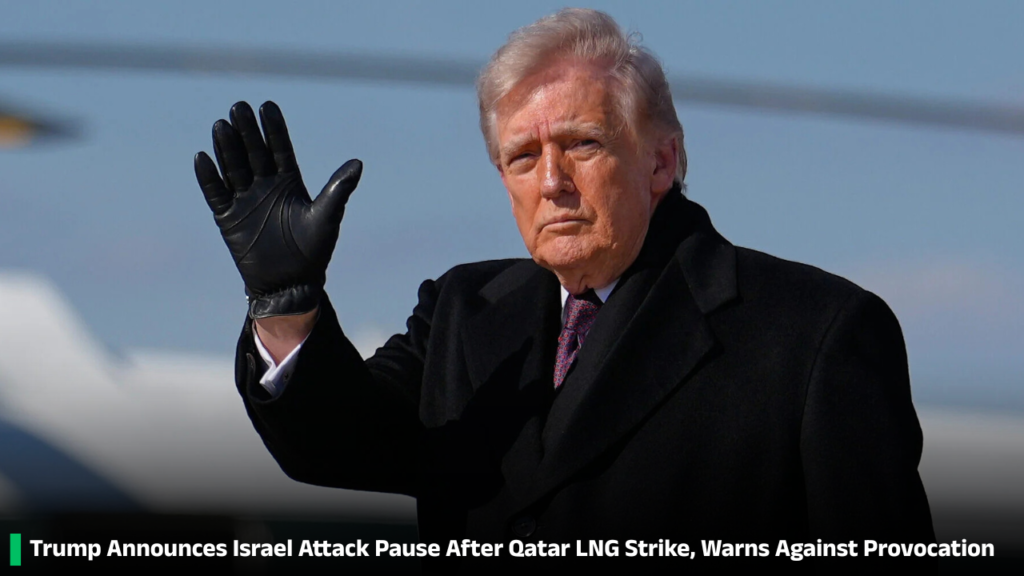
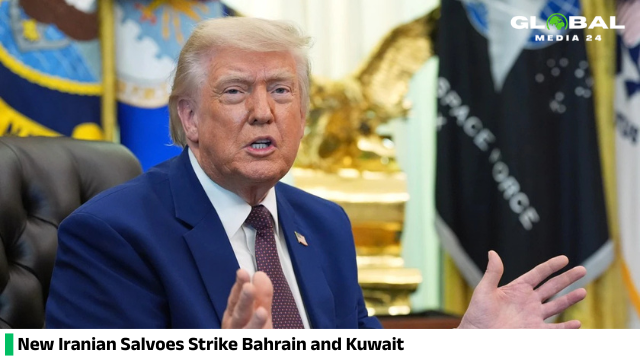
US President Donald Trump has stated that Israel will not attack Iran’s valuable South Pars gas field unless Tehran “mistakenly decides to attack a very innocent party—in this case, Qatar.”
This statement follows an escalation in attacks by Tehran on the energy facilities of its Persian Gulf neighbors, including strikes targeting gas facilities in Qatar. Previously, Israel had attacked Iran’s South Pars offshore Liquefied Natural Gas (LNG) field, which it shares with Doha.
The American commander-in-chief claimed that Israel acted “in anger” regarding the conflict and proceeded in a “violent” manner, adding that “the United States knew nothing” about the Israeli action against the Iranian gas field.
Writing on his Truth Social platform, he stated: “Angered by events in the Middle East, Israel has launched a violent attack on a major site in Iran known as the South Pars gas field.
Only a small portion of the entire area was affected. The United States had no knowledge of this specific attack; furthermore, the nation of Qatar was in no way involved, nor did it have any inkling that such an event was about to take place.”
He stated, “Unfortunately, Iran was unaware of this—or indeed any critical details regarding the South Pars attack—and mistakenly launched an assault on a section of Qatar’s LNG gas facility.”
Trump pledged that “Israel will refrain from launching any further attacks on this vital and invaluable South Pars field, provided that Iran does not foolishly decide to strike a completely innocent party—in this instance, Qatar.”
However, Trump warned that should Iran attack Qatar, the U.S.—”without any assistance or prior consent from Israel”—would obliterate the entire South Pars gas field with a force and intensity unlike anything Iran has ever witnessed before.
He added, “I have no desire to authorize such a level of violence and destruction, as it would have long-term repercussions for Iran’s future; nevertheless, if Qatar’s LNG facilities are attacked again, I will not hesitate to take such action.”
Iran’s Attack on Qatar
Qatar Energy, the state-owned oil and gas corporation based in Doha, has reported that Iranian missile strikes have inflicted damage upon additional LNG sites within the energy-rich nation, resulting in “major fires and extensive structural damage.”
The company noted that firefighters are currently working to extinguish the blazes and that, thus far, no casualties have been reported. Qatar serves as a primary source of natural gas for the global energy market.
Although the country had suspended its production operations early in the conflict, the severity of the damage sustained means that Doha may face delays in resuming its market supplies even after the war has concluded.
Israel’s Attack on Iran
On Wednesday, Israel attacked Iran’s massive offshore South Pars natural gas field, as the ongoing conflict intensified pressure on the region’s economic lifeline—energy.
In retaliation, Iran escalated its attacks on the energy facilities of its Persian Gulf neighbors, damaging gas infrastructure in Qatar. In response, Doha ordered officials from the Iranian embassy to leave the country within 24 hours.
Tehran also struck the Habshan gas facility and the Bab Field in the United Arab Emirates—attacks that the local government described as a “dangerous escalation” in the Islamic Republic’s conflict against Israel and the United States.
Officials in Abu Dhabi stated that gas operations at the site have been suspended following a disruption in gas supplies.
The attacks on Qatar and the United Arab Emirates are mounting pressure on the Arab Gulf states, which have been fending off Iranian strikes since the war began on February 28; however, they have refrained from taking any offensive action against Iran, even as their military bases, civilian sites, and energy operations have come under attack.
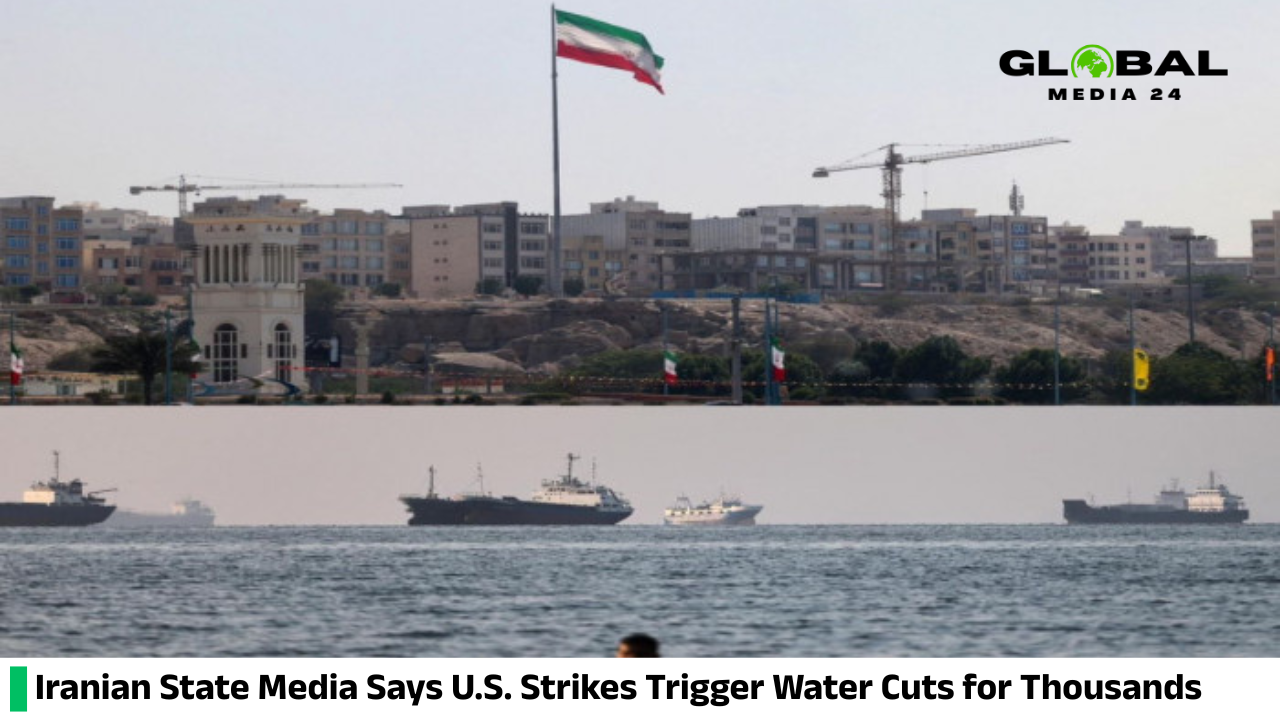
Oil prices in the international market surged by another 5 percent, climbing above $108 per barrel, as Iran exerts pressure on the Strait of Hormuz shipping lane—a vital conduit through which one-fifth of the world’s oil passes.
Since the outbreak of the war, the price of Brent crude—the international benchmark for oil—has now risen by approximately 50 percent.
As the Trump administration seeks ways to boost oil supplies, the Treasury Department announced on Wednesday a relaxation of sanctions against Venezuela, stating that U.S. companies would be permitted to conduct business with the country’s state-owned oil and gas enterprise.