On Saturday, five European nations announced that laboratory tests conducted on samples from Navalny’s body detected a lethal toxin called epibatidine, which is known to originate from Ecuadorian dart frogs.
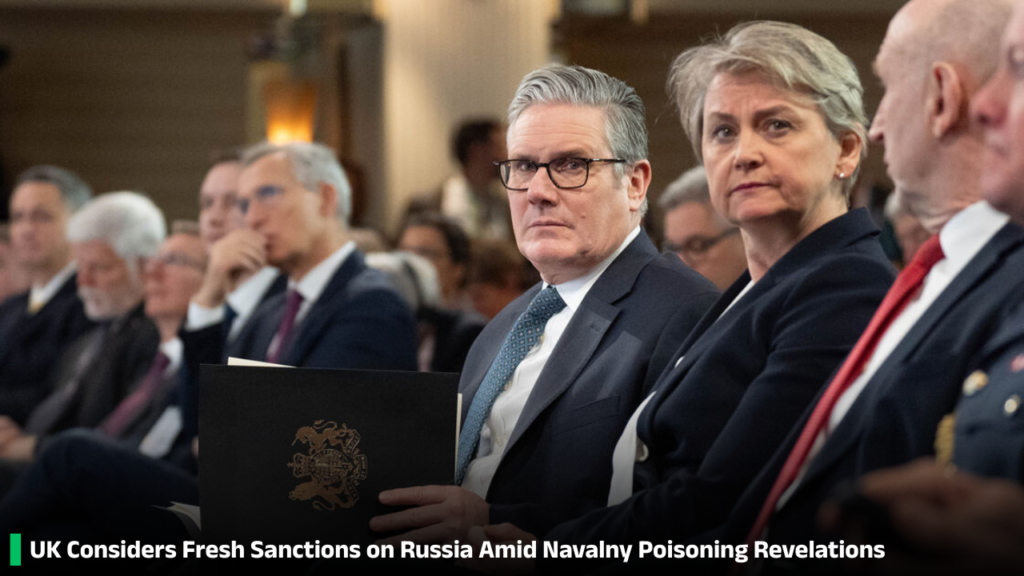
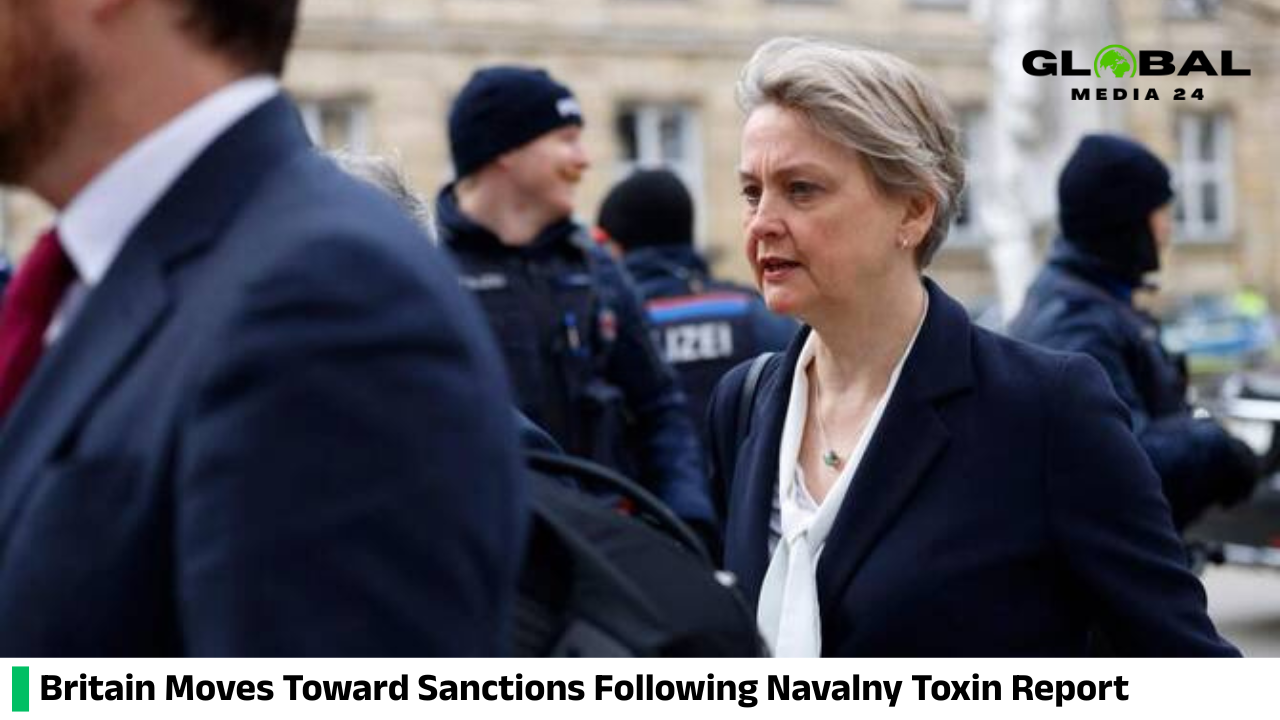
UK Foreign Secretary Yvette Cooper said on Sunday that Britain would consider “escalating sanctions” against Russia following reports from five European countries that opposition leader Alexei Navalny died from dart-frog toxin in a Russian prison.
“We are considering working together, including increasing sanctions on the Russian government,” Cooper told the BBC from the Munich Security Conference. At the conference, the UK, France, Germany, the Netherlands, and Sweden stated that the Russian government is the main suspect in Navalny’s poisoning two years ago.
Navalny, a staunch critic of President Vladimir Putin, died under mysterious circumstances in a Russian prison on February 16, 2024, while serving a 19-year sentence.
On Saturday, five European countries said that a deadly toxin called epibatidine, found in Ecuadorian dart frogs, was found in lab analysis of samples from his body.
Cooper told Sky News that the toxin can also be produced synthetically.
The British Foreign Minister said, “We know that the Russian government possesses this particular chemical.”
In a joint statement on Saturday, European countries said, “Russia claimed that Navalny died of natural causes. However, given the toxicity of epibatidine and the symptoms described, poisoning is the likely cause of his death.”
The British Foreign Office separately stated that “only the Russian government had the means, motive, and opportunity to use this lethal poison.” It added, “We hold Russia responsible for his death.”
UK Prime Minister Keir Starmer praised Navalny’s “courage in the face of oppression” in a social media post and criticized “Putin’s murderous intent.”
A spokesperson for the Russian Foreign Ministry and Moscow’s embassy in London dismissed Western reports.
The Kremlin never provided full details about Navalny’s death, saying only that he fell ill and died suddenly after a walk in the prison colony.
Putin stated that Navalny had “died” in 2024. The opposition leader’s death occurred shortly before Russia’s presidential election.
On Saturday, Navalny’s widow, Yulia Navalnaya, said it was now “proven by science” that the Kremlin opponent was murdered, despite the fact that his death had been announced two years earlier during the same annual conference in Germany.
Last September, Navalnaya said that lab analysis of smuggled biological samples found that her husband had been poisoned.
French Foreign Minister Jean-Noël Barrot paid tribute to Navalny following the results.
“We now know that Vladimir Putin is willing to use biological weapons against his own people to remain in power,” Barrot said in a post on X.