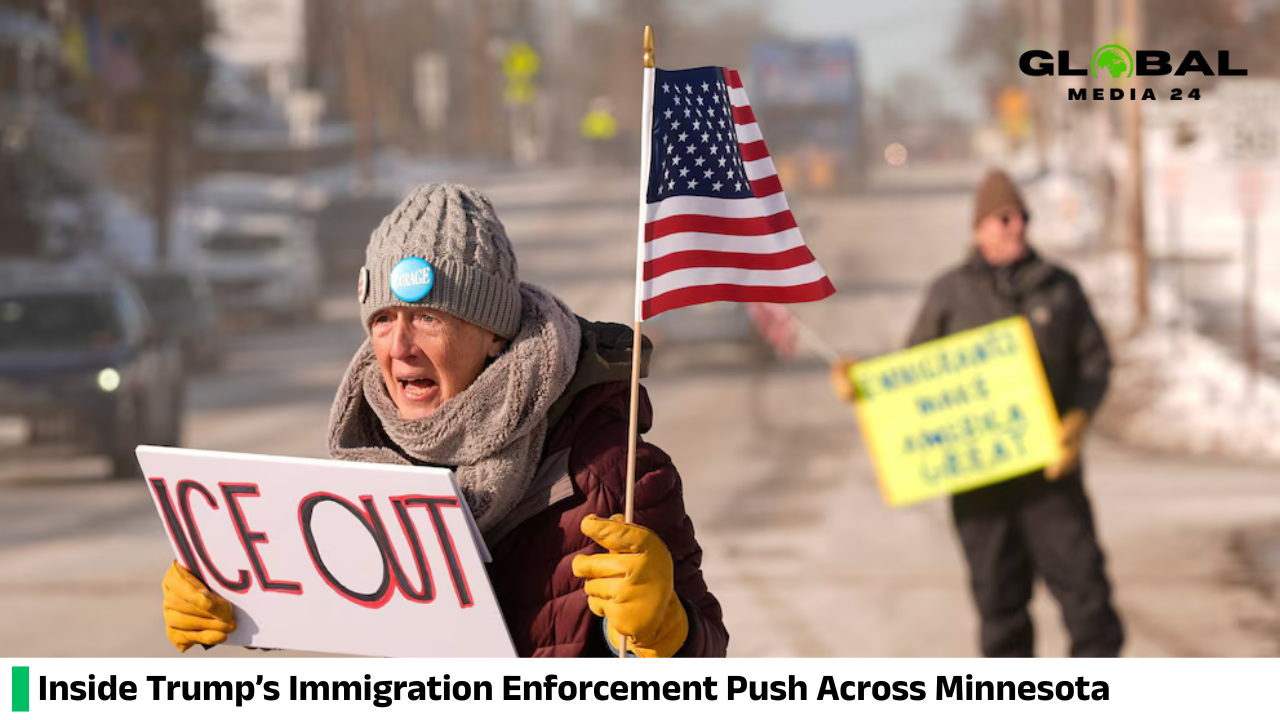
The federal government has initiated Operation Metro Surge, aiming to substantially boost “at-large” arrests of undocumented immigrants across the Twin Cities metro area in Minnesota.
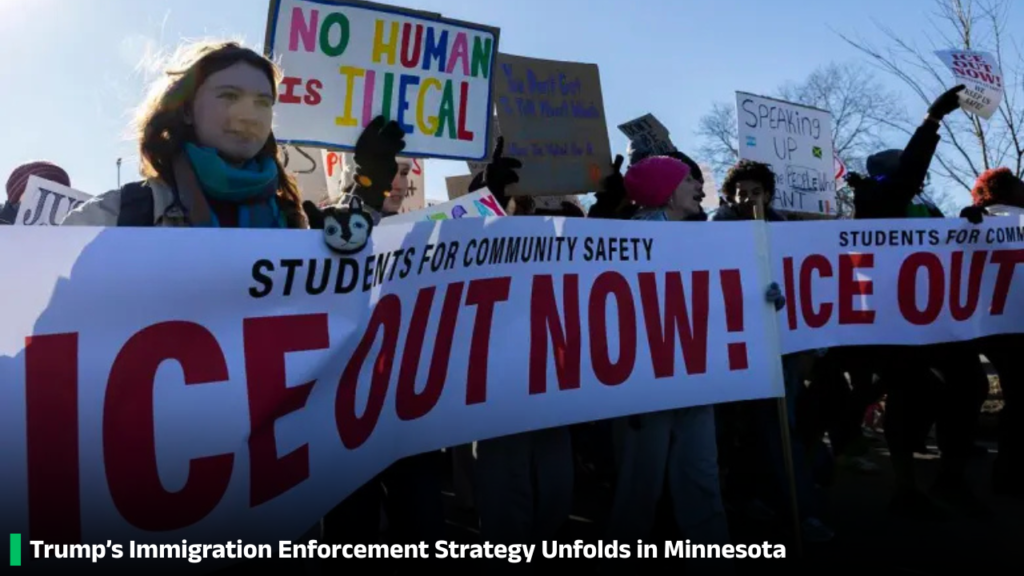
White House Border Czar Tom Homan announced Thursday that US President Donald Trump has agreed to end the immigration-enforcement surge in Minnesota, removing thousands of federal agents whose presence had sparked weeks of violent protests.
Here’s a timeline of events in the operation:
December 1, 2025: The federal government launches Operation Metro Surge “to significantly increase ‘large-scale’ arrests of illegal aliens in the Twin Cities metropolitan area.”
This move comes after Trump and other federal officials have attacked Minnesota’s Somali community, which they have accused of defrauding millions of federal dollars intended for social services. Operation Metro Surge will ultimately send approximately 3,000 more federal officers and agents to the Twin Cities.
December 18: The Minneapolis Police Chief criticized federal immigration officers for dragging a woman down a snowy city street and brandishing a gun at bystanders, some of whom were filming the scene.
US Immigration and Customs Enforcement said in a statement that agents arrested two US citizens for assaulting federal officers.
January 7: Renee Good, a 37-year-old mother of three who was working for ICE, was shot in her car by an ICE agent in Minneapolis, sparking protests and heated debate over her killing.
State investigators say they have been excluded from the federal investigation into the shooting.
January 8: A US border agent shot and injured two people while stopping a vehicle in Portland, Oregon, amid protests resonating across Minnesota and the US over Good’s shooting.
January 11: Thousands of protesters took to the streets of Minneapolis and other US cities as part of over 1,000 rallies to protest the Trump administration’s deportation drive.
January 12: Minnesota sued the Trump administration in an attempt to halt the surge in immigration-enforcement officers, accusing the Republican administration of racially profiling its citizens and targeting Minnesota because of its Democratic leanings.
Democratic stronghold Illinois, where the immigration crackdown known as “Operation Midway Blitz” began in 2025, also filed a similar suit.
January 13: At least a dozen federal prosecutors announced plans to leave the US Justice Department over the Trump administration’s handling of Good’s shooting and other civil rights cases.
January 16: Minnesota Governor Tim Walz and Minneapolis Mayor Jacob Frey accused Trump of using the Justice Department against his enemies. The agency reportedly launched a criminal investigation into them and other state officials for allegedly conspiring to obstruct immigration agents.
January 20: ICE agents detained five-year-old Liam Conejo Ramos and his father, both from Ecuador and legally entering the US as asylum applicants, while they were returning home from preschool. They were taken to a family detention center in Texas. ICE agents apprehended three more students from Conejo Ramos’ school district that week.
January 22: Federal agents arrested three Minnesotans who participated in a protest inside a church against a pastor they say holds a leadership role within ICE.
Ultimately, nine people, including former CNN host Don Lemon, who was covering the protest, will face federal charges of violating religious rights in connection with the demonstration, which has upset First Amendment advocates.
January 24: Federal immigration officers shot Alex Pretty, an intensive care nurse, who was trying to help other protesters. Video of the encounter, verified by Reuters, shows Pretty holding a cellphone as agents pinned her to the ground, and an officer removing a gun from Pretty’s body shortly before the first shots were fired.
January 26: The Trump administration confirmed that Homan would be taking over Operation Metro Surge from Gregory Bovino, the top US Border Patrol official who has been sharply criticized by Democrats and civil liberties advocates.
After a private phone call, Trump and Walz signaled a thaw in their relationship and a mutual effort to defuse tensions.
Feb. 4: The Trump administration withdraws about 700 federal immigration-enforcement agents from Minnesota, leaving about 2,000 agents there.