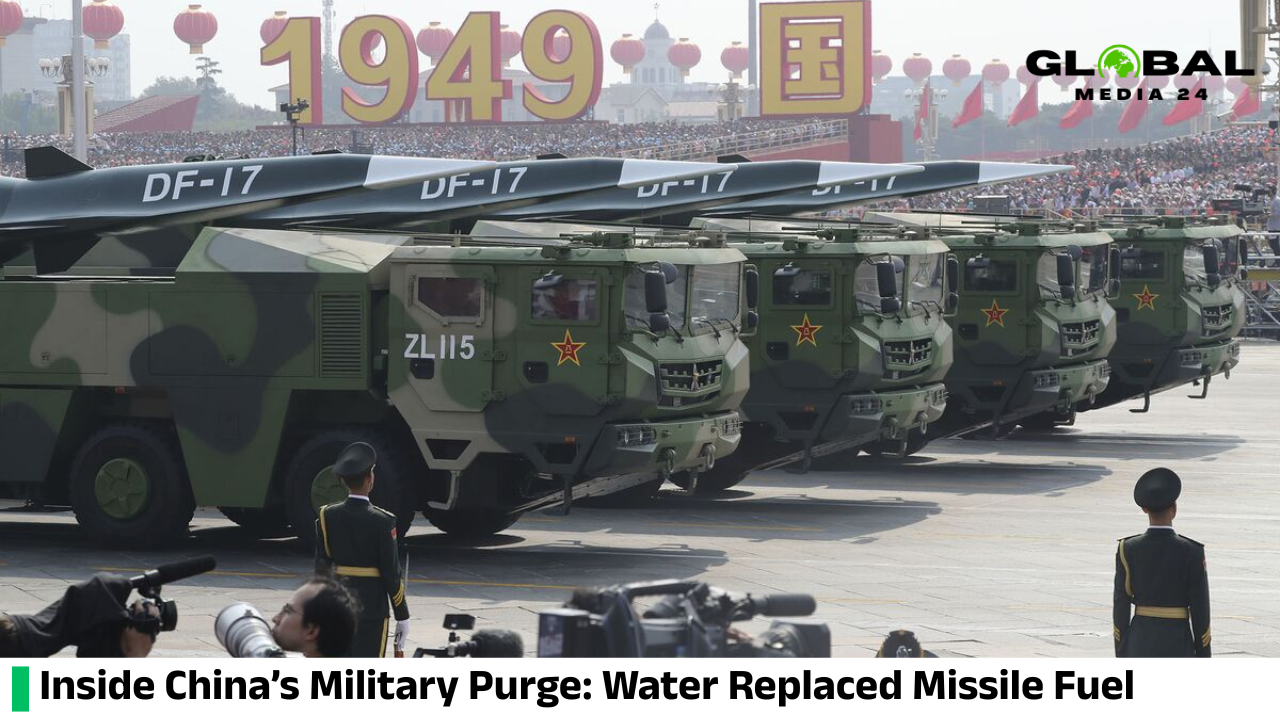
According to assessments by U.S. intelligence agencies, these disclosures resulted in the dismissal of several senior military figures, including General Zhang Youxia, the highest-ranking uniformed officer in China, as well as senior commander General Liu Zhenli.
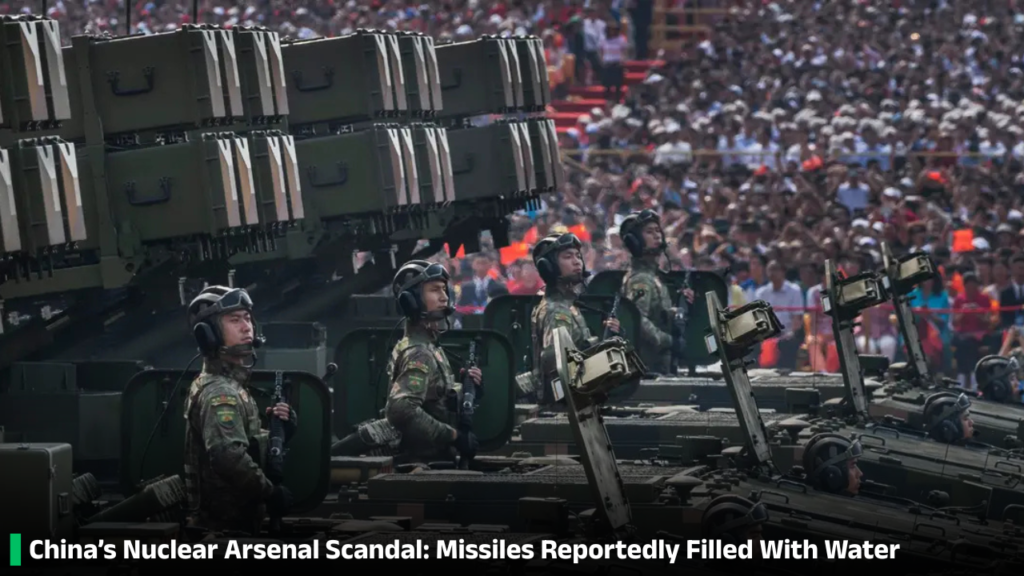
Chinese President Xi Jinping is overseeing a massive purge of China’s military elite following a corruption scandal in the Rocket Force that revealed water-filled missiles, faulty launch silos, and compromised command systems.
Based on US intelligence assessments, these revelations led to the removal of top military leaders, including China’s highest-ranking uniformed officer, General Zhang Youxia, and senior commander General Liu Zhenli.
Water-Filled Missiles Used
Bloomberg reported in 2024, citing US intelligence, that China’s nuclear missile program had been undermined by deep-seated corruption. The report stated that large missile silo fields in western China were built with faulty lids that prevented missiles from launching properly. Some missiles were reportedly filled with water instead of fuel.
Although the nuclear missiles were housed in silos designed to launch thousands of kilometers at the push of a button, the report suggested that many might not have fired in a crisis situation.
“One example of the corruption was that an entire field of silos in the Xinjiang missile field in western China had lids that prevented the missiles from launching properly,” Bloomberg reported, citing US intelligence officials. It added that missiles filled with water instead of fuel were another example of serious corruption within the People’s Liberation Army (PLA). The report did not specify the type of missiles involved.
Major Shake-up: Rocket Force Leadership Purged
The scandal led to the removal of the leadership of the PLA Rocket Force, which controls China’s nuclear arsenal.
US intelligence, cited by Bloomberg, said that corruption within the unit undermined confidence in China’s military readiness, delayed Xi Jinping’s modernization plans, and was so serious that it may have forced Xi to reconsider major military action.
The Rocket Force plays a crucial role in China’s military pressure on Taiwan, with long-range missiles deployed along its coast.
Trouble Mounts for China’s Top Military Generals
On January 24, China’s Ministry of National Defense announced that the country’s two highest-ranking uniformed officers, General Zhang Youxia and General Liu Zhenli, were under investigation for “serious violations of discipline and law.” The ministry said the decision was made by the CPC Central Committee.
Zhang was a close confidant of Xi Jinping and the second most powerful figure in the Chinese military after the president.
According to reports, Zhang was detained on January 19 on charges of leaking nuclear weapons data to the US, accepting bribes for promotions, and undermining the PLA’s combat readiness. The investigation is also reportedly linked to a breach of nuclear security.
The crackdown extended beyond the Rocket Force. Defense Minister Li Shangfu was removed from his post earlier in 2024 after disappearing from public view.
Reuters reported that at least three of the dismissed commanders were from the Rocket Force, while four were in charge of military equipment.
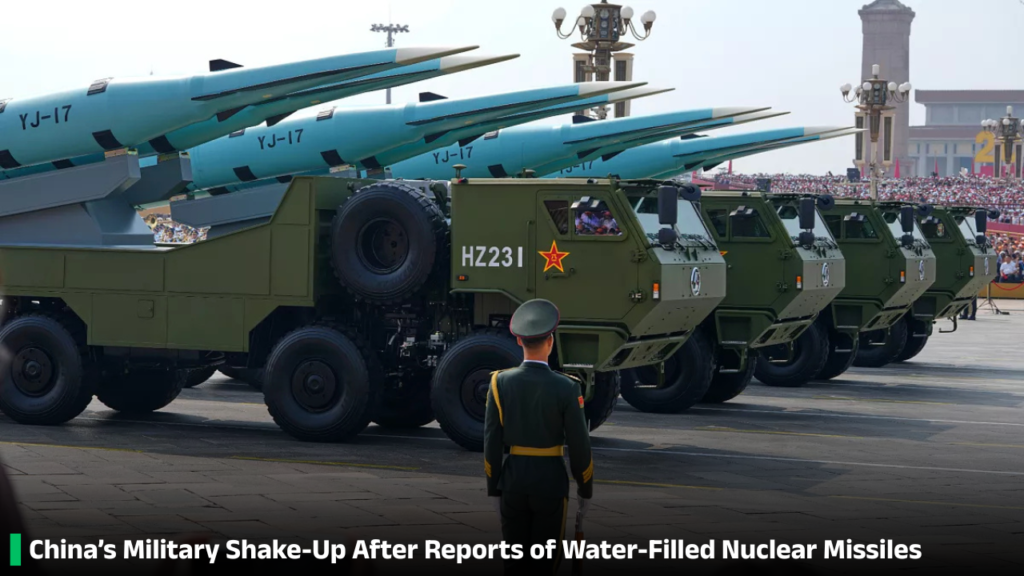
China’s leadership structure has lost its strength
By January 2026, China’s military leadership had become significantly weakened.
An analysis by The New York Times found that at the beginning of 2023, there were at least 30 generals and admirals in top roles, almost all of whom have since been removed or have disappeared. Only seven senior officers appear to remain active.
On Monday, a Chinese court sentenced former Justice Minister Tang Yijun to life in prison for corruption. The court found that he had accepted bribes totaling nearly $20 million over more than a decade.
Only Zhang Shengmin remains on the commission that oversees political discipline and loyalty. The purge has affected nearly every branch of the military, including the navy and theater commands, such as the Eastern Theater Command responsible for Taiwan.