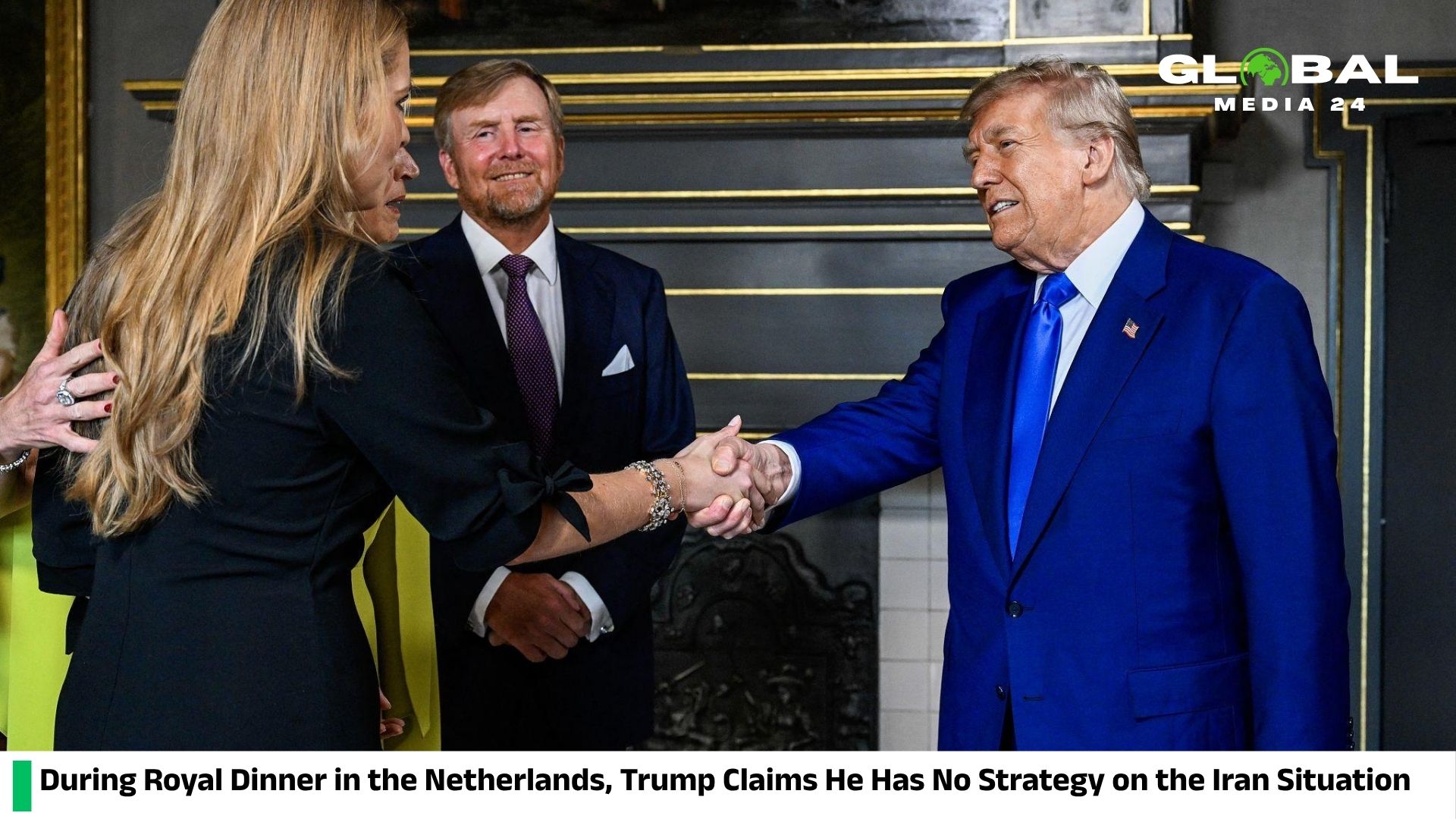
The royal dinner highlighted how isolated Trump feels on the Iran issue, despite his insistence that the situation is “far from finished” and still unfolding.
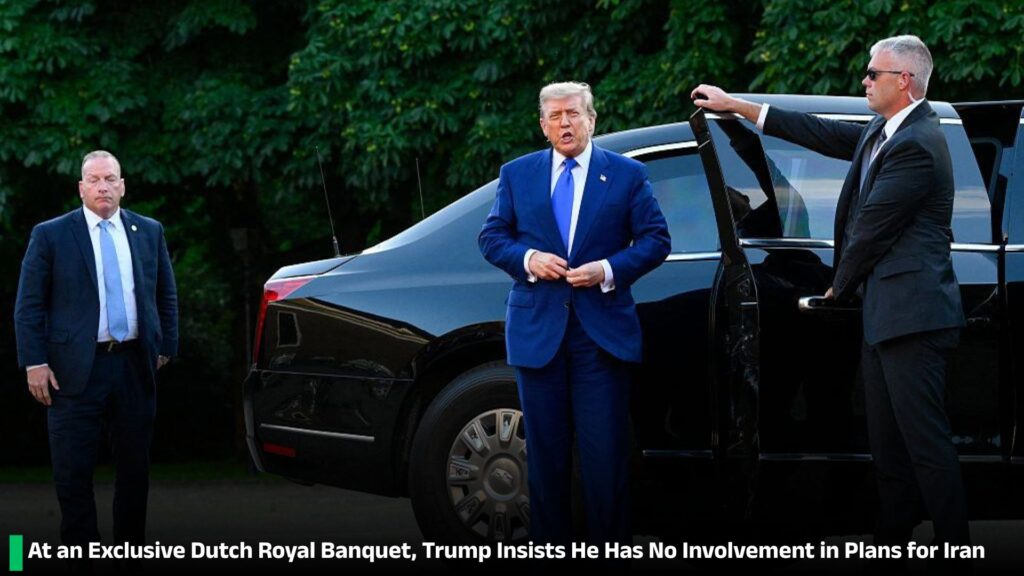
US President Donald Trump believes that the only way to bring the conflict with Iran to a swift conclusion is to intensify economic pressure on Tehran. Or, at least, that is what he conveyed to the Dutch King and Queen during a private dinner at the White House last night.
Citing officials privy to the details of the dinner, The Wall Street Journal reported that the US Commander-in-Chief told King Willem-Alexander and Queen Máxima that, following the breakdown of the initial round of talks in Islamabad, the only means of compelling Tehran to return to the negotiating table is to escalate the pressure.
However, the Dutch government has already declined to assist Trump in this conflict, characterizing the US blockade of Iranian ports as “concerning” and a “conflict within a conflict.”
Dutch Prime Minister Rob Jetten, who accompanied the royals, reportedly informed Trump that America’s European allies are working on plans to forge a broad coalition to help secure shipping through the Strait of Hormuz—but that such a move would only take place once the conflict has ended.
Jetten later told reporters, “We agreed to disagree.” He added that the dinner was “too brief to persuade one another, yet long enough to gain a better understanding of each other’s respective positions.”
Trump Stands Alone in the Conflict
The royal banquet underscored just how isolated Trump is in his confrontation with Iran—even as he repeatedly declares victory and asserts that the conflict is “very close to ending.” When announcing the US blockade of Iranian ports, Trump stated that he would release a list of “other nations” that would join this endeavor.
Yet, none of his allies have joined his side; indeed, some have explicitly refused to do so. However, later, White House Press Secretary Karine Jean-Pierre stated, “The blockade is being fully enforced without the assistance of other nations because we possess the world’s strongest navy, while Iran’s navy is at the bottom of the sea.”
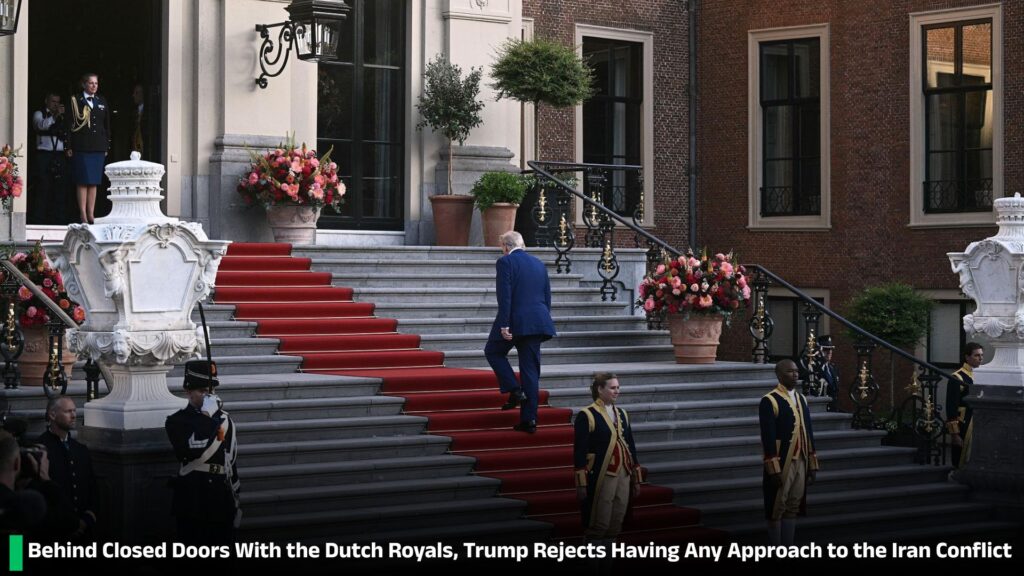
Saudi Arabia has also appealed to Washington to abandon this plan, fearing that Iran could, in retaliation, activate proxy groups to block its oil shipping lanes in the Red Sea.
Trump’s Stance
The U.S. President has drawn a “red line” regarding Iran’s enriched uranium and insists that Tehran impose a moratorium on enrichment for at least 20 years.
In response, Iran offered a five-year freeze but wishes to retain the enriched uranium within the country. Meanwhile, Tehran has proposed a five-year freeze while maintaining its insistence on keeping its stockpile domestically.
This week, Trump told the New York Post that U.S. officials might return to Islamabad to resume negotiations with Iran, though no plan has been finalized yet. Following the breakdown of talks last weekend, he had stated that further negotiations would be futile, as the U.S. had already won the war.
Speaking to Fox Business on Tuesday, Trump remarked that the war is “very close to being over.” He added, “If I were to pack up and leave right now, it would take them 20 years to rebuild their country. And we aren’t finished yet. Let’s see what happens. I believe they are very eager to strike a deal.”