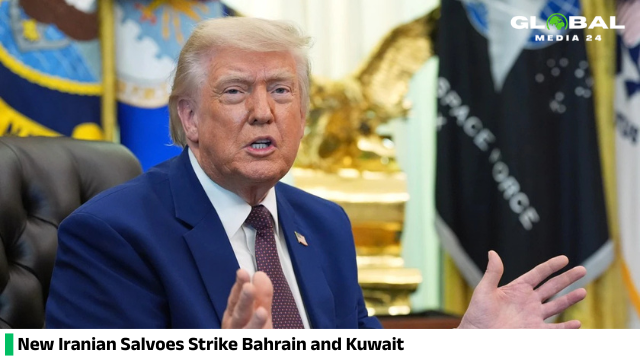
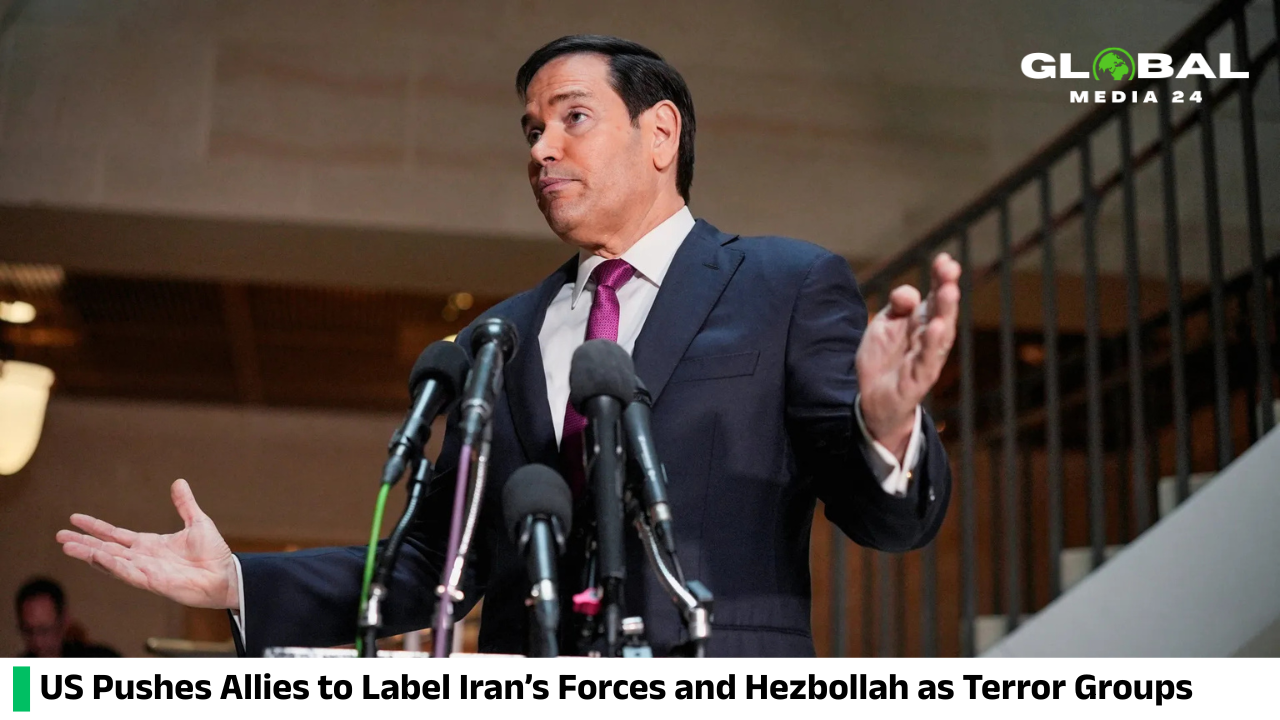
The administration of Donald Trump on Monday called on American diplomats overseas to encourage allied nations to officially label Iran’s Islamic Revolutionary Guard Corps and Lebanon-based Hezbollah as terrorist organizations.
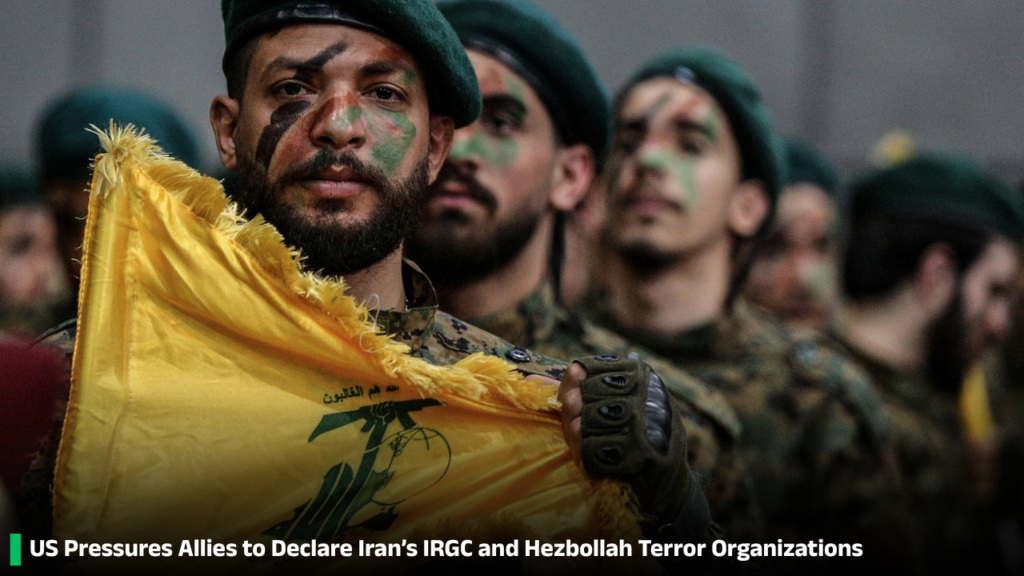
According to an internal State Department cable obtained by Reuters, President Donald Trump’s administration on Monday instructed U.S. diplomats stationed abroad to pressure their counterparts to designate Iran’s Islamic Revolutionary Guard Corps and Lebanon’s Hezbollah as terrorist groups. They cited a heightened threat of attacks.
Dated March 16 and signed by U.S. Secretary of State Marco Rubio, this directive was sent to all U.S. diplomatic and consular posts worldwide.
It instructs U.S. diplomats to convey this message to their counterparts “at the highest levels” by March 20. Furthermore, it states that efforts to secure the blacklisting of these groups should be coordinated with Israeli counterparts.
The Trump administration is attempting to rally allies—many of whom were not informed prior to the U.S.-Israeli air campaign that began two weeks ago—to support its military operations.
An indication of the difficulty facing this effort is that, on Monday, several U.S. allies stated they currently have no plans to dispatch ships to assist the U.S. in keeping the Strait of Hormuz open, thereby rebuffing Trump’s appeal to maintain access to this vital oil shipping waterway.
One passage in the cable stated: “Given the growing threat of attacks from Iran, its partners, and proxies, all governments must take swift measures to diminish the capacity of Iran—and terrorist groups linked to it—to launch attacks against our nations and citizens.”
The IRGC is an elite military force tasked with safeguarding the rule of the Shia Muslim clerics in Iran. It controls a significant portion of Iran’s economy.
Both the IRGC and Hezbollah—a Shia Muslim armed group based in Lebanon—have already been designated as terrorist organizations by the United States and several other nations.
The cable does not provide specific details regarding the heightened risks; however, it cites instances of how Tehran has attacked its neighbors in the Middle East and calls for concerted action.
The cable noted, “We believe that the Iranian government is more sensitive to collective action than to unilateral measures and that applying collective pressure is more likely to induce a change in the government’s behavior than unilateral action alone.”
It further stated that such designations would intensify pressure on the Islamic Republic and curtail its capacity to “sponsor terrorist activities” globally.
A State Department spokesperson remarked: “President Trump is focused on ensuring peace in the Middle East.” “The IRGC, Hezbollah, and other Iranian-backed proxies destabilize governments and undermine regional peace.”